

Before the city properly wakes, before the caffeine queues and the first honk of impatience, Sydney has a second heartbeat down by the water, and it smells like salt, steel, and honest work.
I walked into the new Sydney Fish Market early this morning like a man stepping into a futuristic basilica built for the worship of appetite. Not the polite appetite of linen napkins and symmetrical plates. The older one. The one that remembers tides. The one that understands that life is both exquisite and slippery and, if you’re lucky, still twitching.


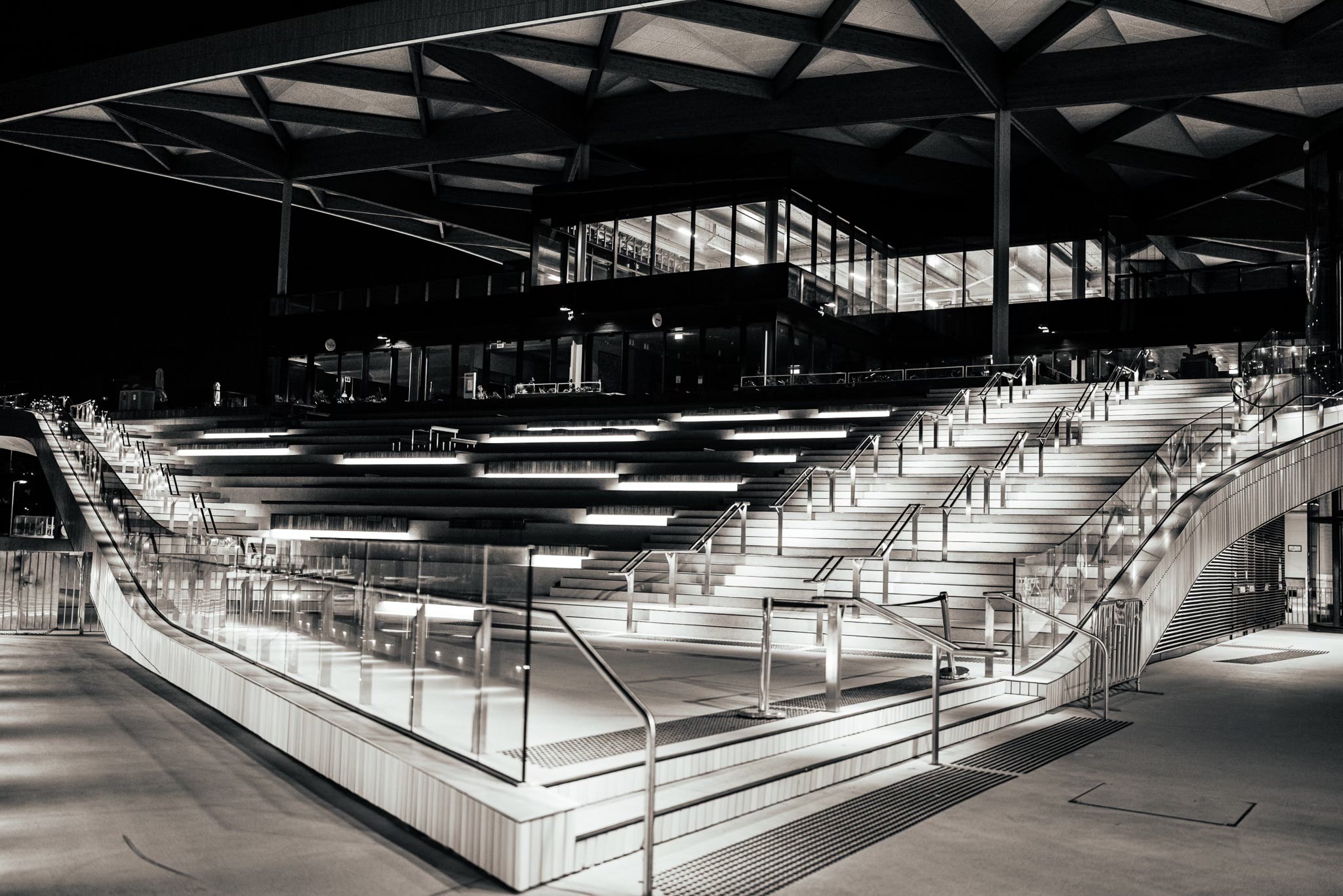
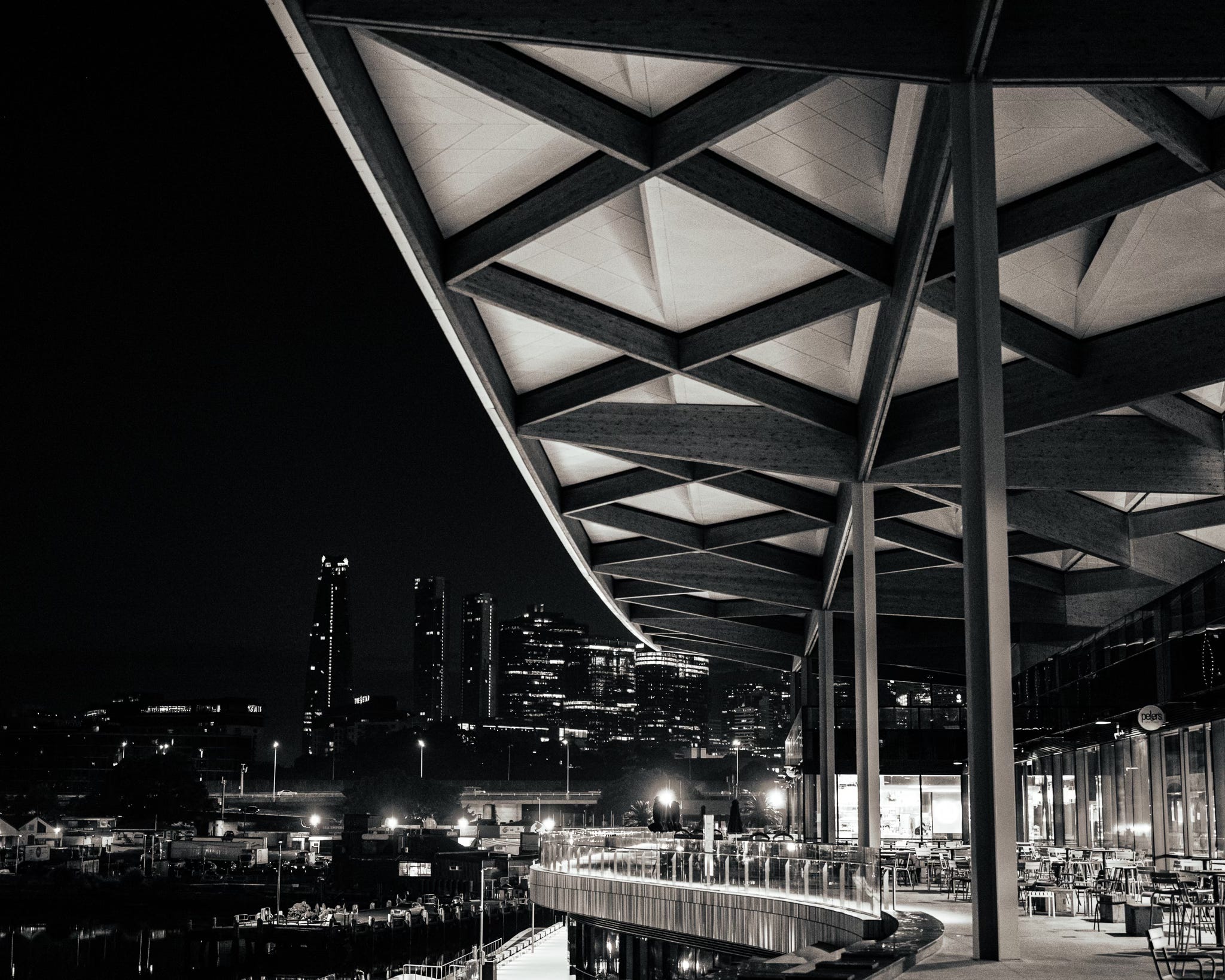
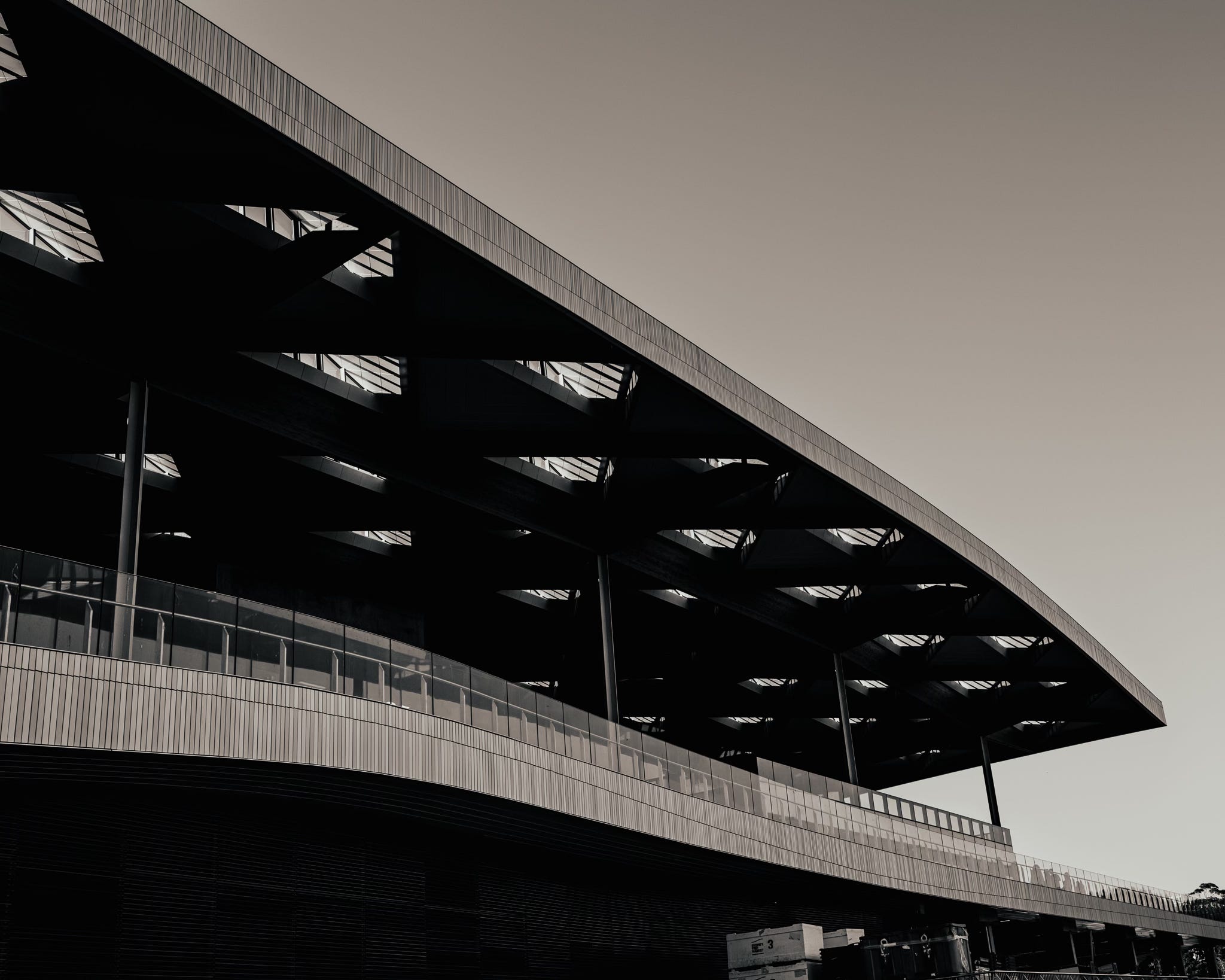
The building hits you first. All that architecture. A kind of clean, confident choreography: curves that feel like a wave caught mid-breath; beams that look like they were designed by someone who once stared at a fish skeleton and decided it was the best blueprint nature ever drafted. It’s the sort of place that makes you straighten your posture without knowing why, as if the roof itself is saying: pay attention, this is sacred, but don’t be precious about it.
And then the facilities. Not “facilities” as in the dead word we use when we mean “toilets” or “parking.” Facilities as in the machine-room of civilisation, the backstage where the city’s dinner is negotiated and handled and kept alive a little longer.
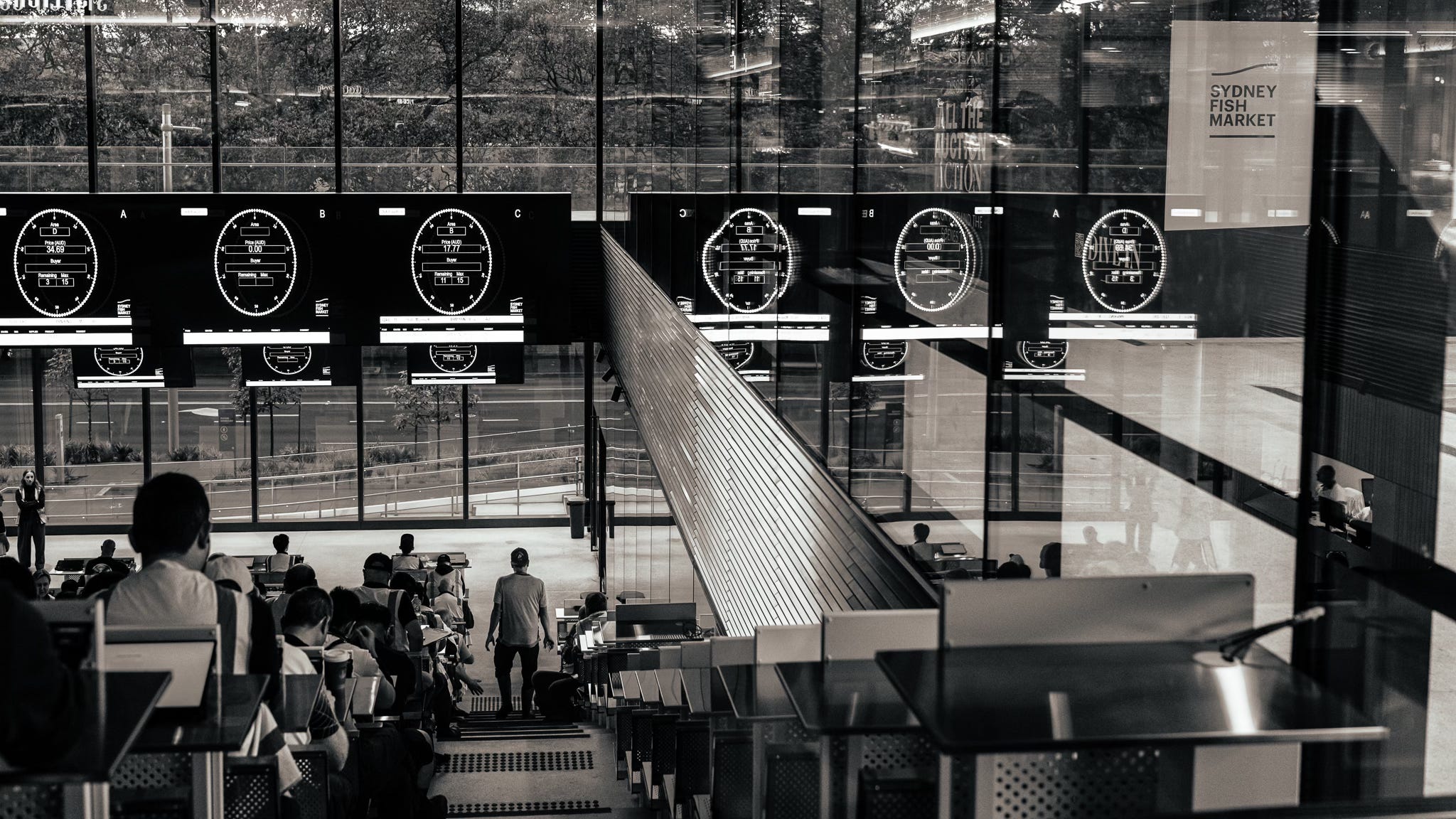
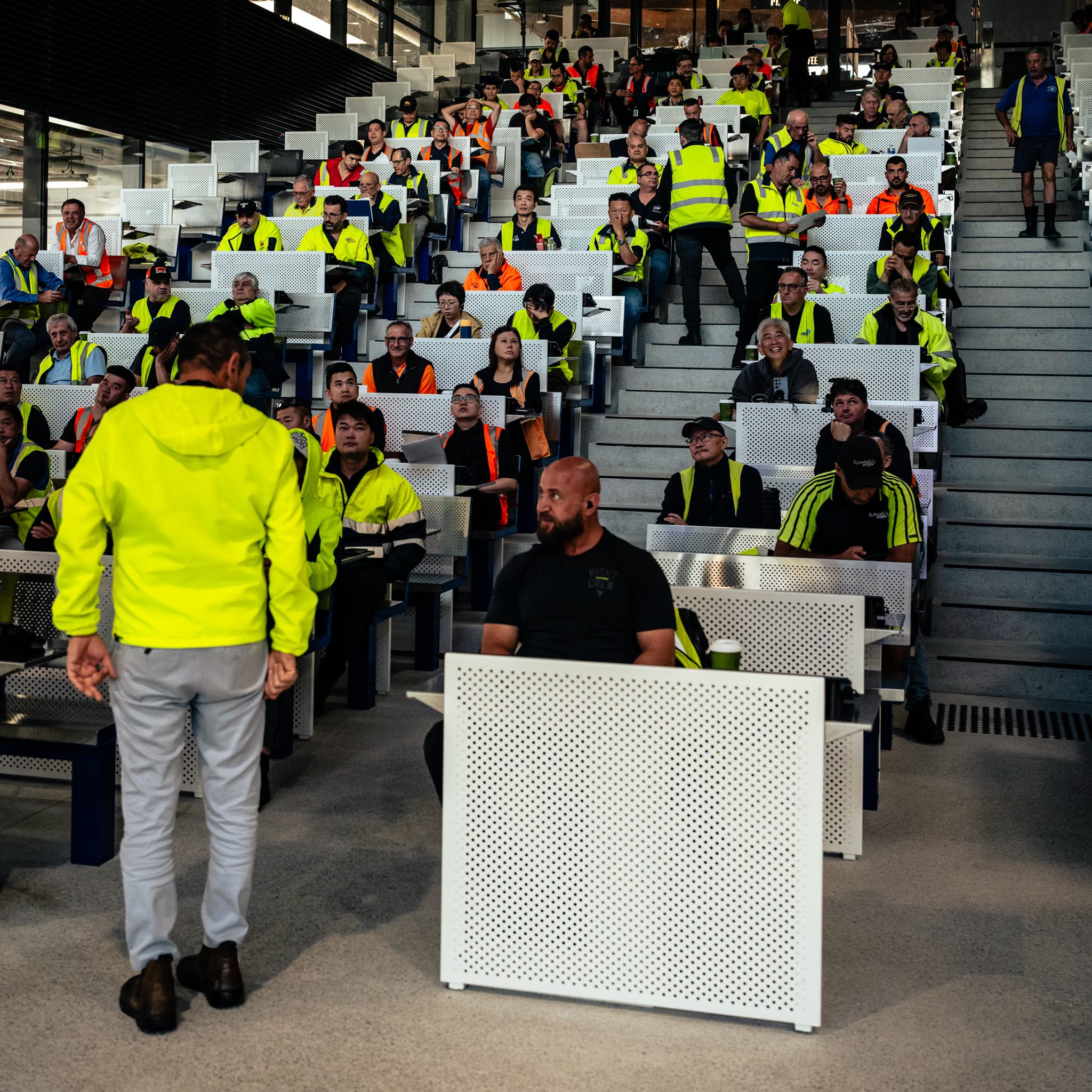
There’s an auction room, and it hums with that strange, pragmatic theatre that only commerce can produce when it’s close enough to the body. Auction energy isn’t romantic, but it’s not sterile either. It’s a language of glances, numbers, timing, and instinct. It’s the city’s nervous system doing what it does best: deciding, in fractions of a second, what something is worth. Not philosophically. Not morally. Practically. What will it sell for, right now, while the fish still holds the memory of water?
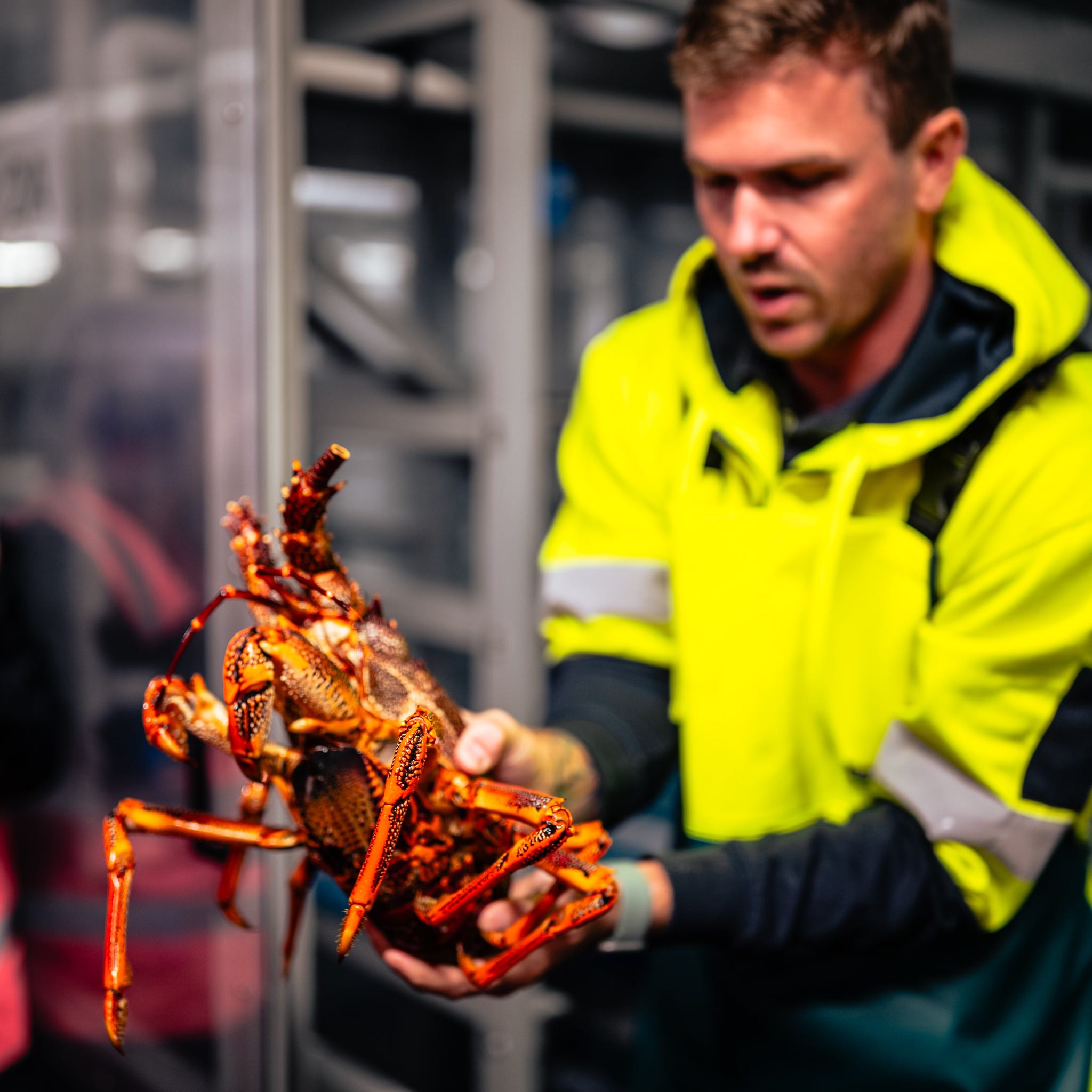
Then came the detail that properly floored me, the sort of thing that makes you laugh quietly because the world, for all its madness, still builds temples for strange, specific needs: climate control for mud crabs and crayfish, each with their own demands, their own preferred version of reality.
Mud crabs, those armored bruisers, need their conditions dialled in just so. Crayfish too, with their own requirements, their own stubborn biology. It’s a reminder that we don’t simply “store seafood.” We negotiate with it. We persuade it. We build microclimates to keep it as close to its natural element as possible while the human world does its logistics. There’s something deeply intimate about that, almost tender in its own industrial way.
I kept thinking: this is the future, and it’s also prehistoric.
The architecture frames everything like a cinematic set, but the truth of the place is older than cameras. It’s a port-side ritual: dawn, movement, wet floors, the metallic percussion of tools, the smell that clings to your clothes like a minor confession. Even when everything looks new, the essential drama remains unchanged. We are still coastal animals arranging our survival with ice and timing.
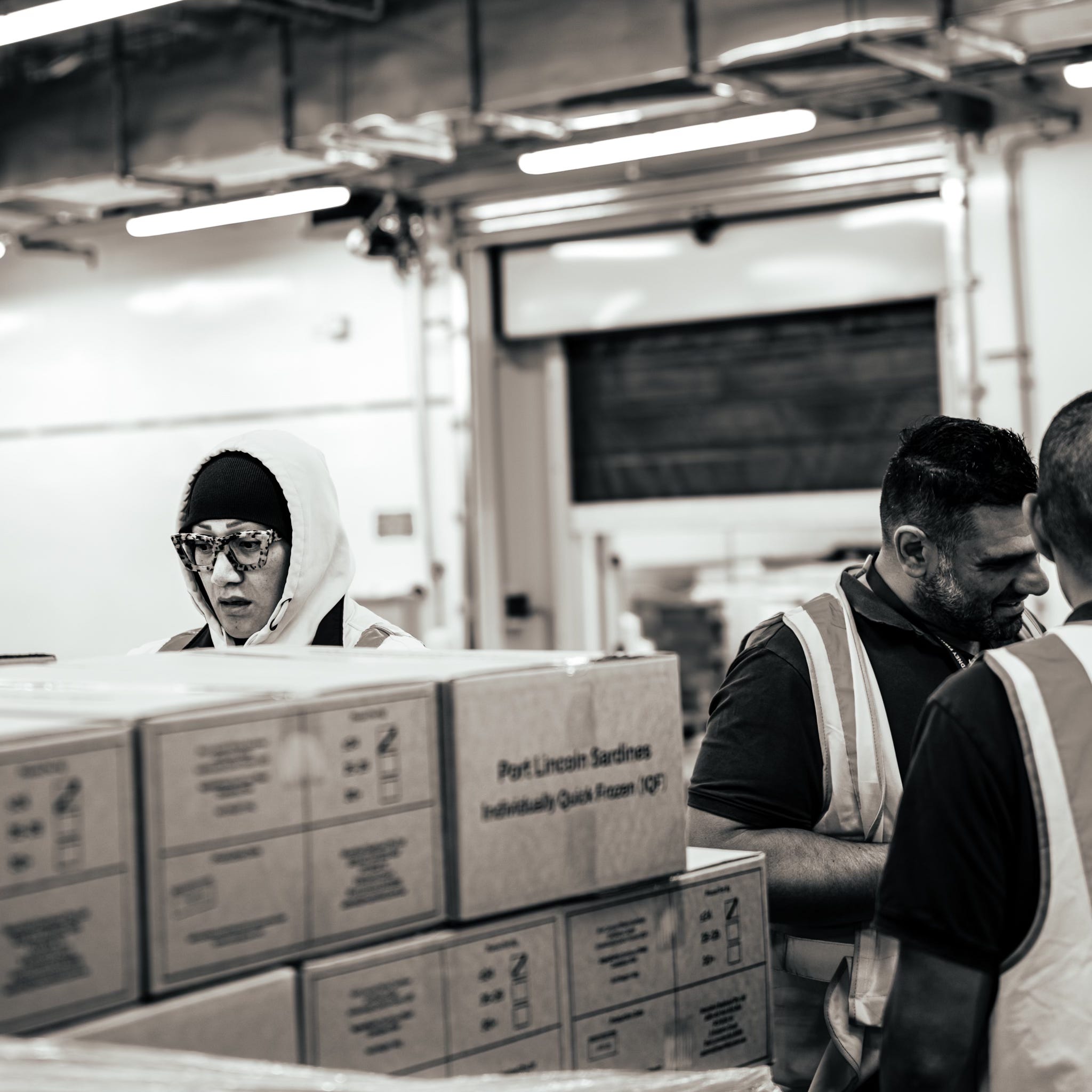
And then the staff.
That’s where the whole thing stops being “impressive” and starts being human.
Facilities can be dazzling, architecture can make you believe in the gods of design, but a portrait is where the story finally shows its teeth. The staff I photographed carried that particular expression you see in people who start early and know their craft: the eyes sharp, the posture relaxed, the hands always just slightly ahead of the rest of the body. People like this don’t need to announce competence. It’s in the way they stand. It’s in the quick glance that measures, decides, moves on.
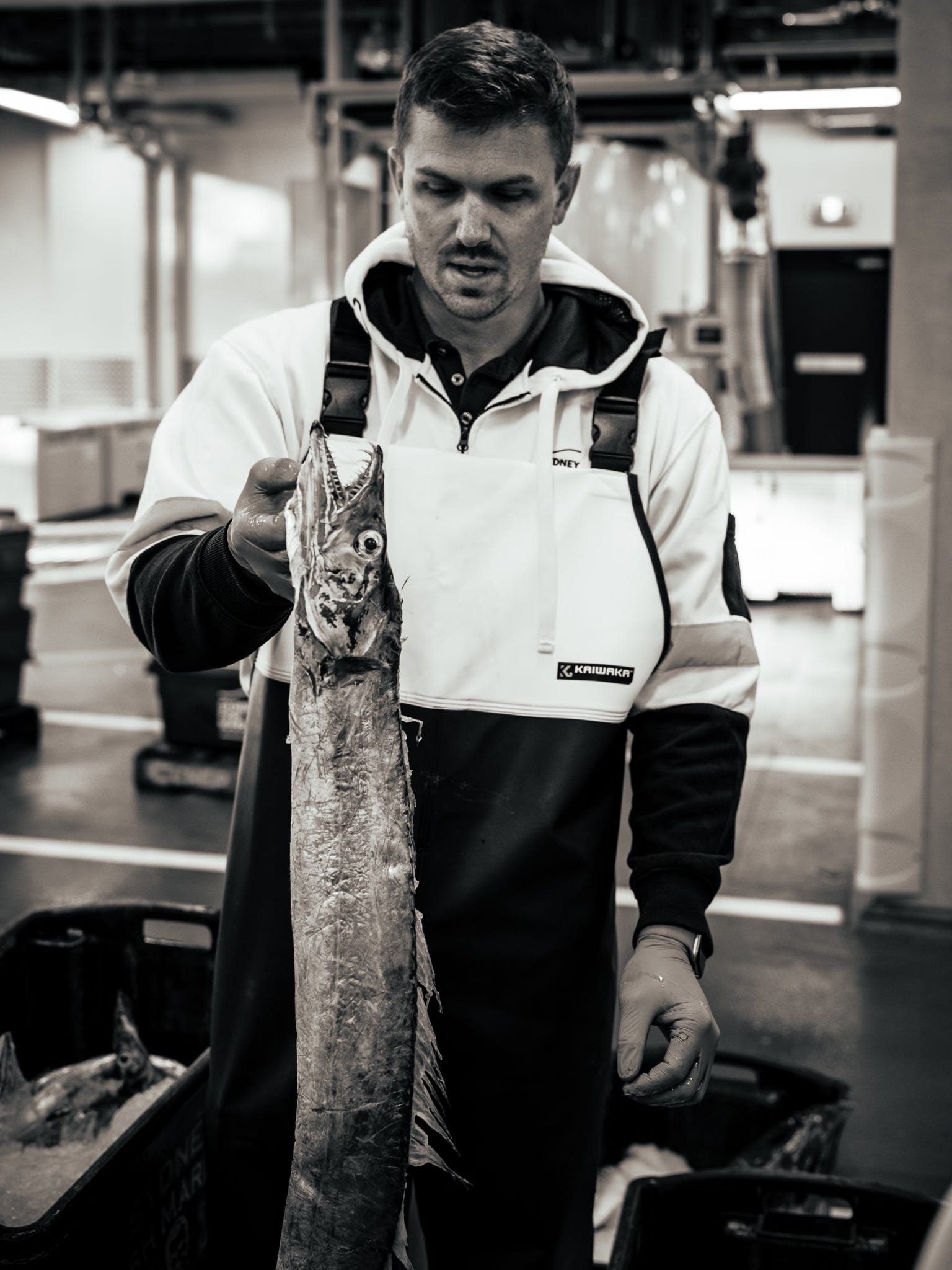
There’s also a quiet generosity in being photographed at work. A person allows you into their day. They allow your lens to translate their reality into your little mythology. And in a place like this, where everything is about speed and freshness and the next task, a staff portrait becomes a pause with meaning. A small, stubborn claim: I am here, I do this, and it matters.
Which is, of course, the secret reason I love markets. They are the great unglamorous cathedrals of the city. Not built for contemplation, but they force it on you anyway if you let your senses stay awake. The market is where money meets hunger, where design meets biology, where the ocean gets rewritten into receipts and dinners and stories people tell later with wine on their breath.


Walking through, I felt that familiar Miller-like urge to narrate the body’s reaction to a place: the way your mind starts producing metaphors faster than you can file them away, the way you become both observer and participant, both documentarian and a slightly untrustworthy poet. The fish market does that. It doesn’t merely show you a system, it triggers something animal and lyrical. You’re reminded that the city, for all its glass towers and polite cultural programming, runs on tides and trades and hands moving quickly.
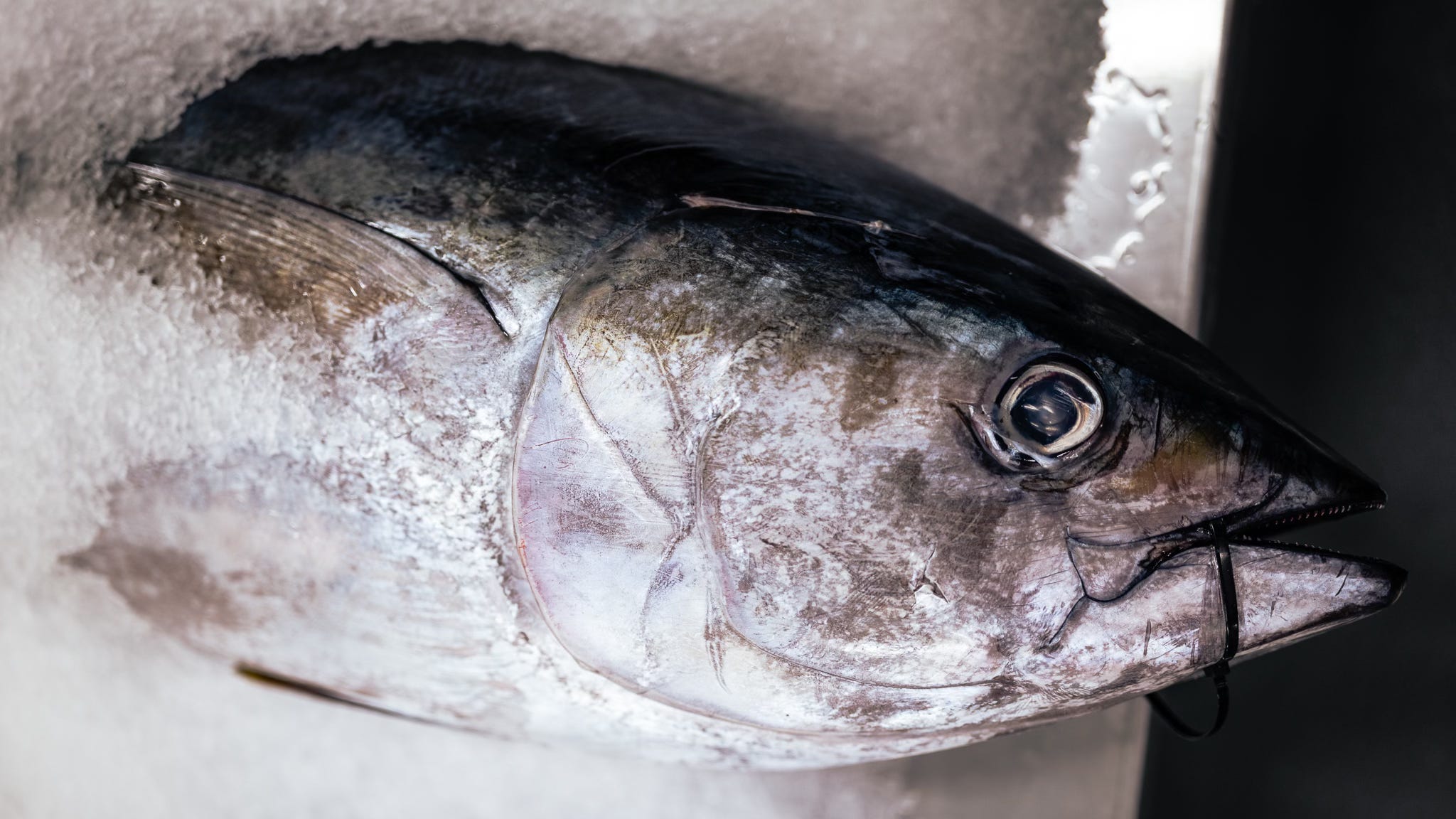
My images from this morning try to hold three truths at once:
The architecture as a kind of contemporary coastline, a built wave that invites awe without begging for it.
The auction room as the city’s pulse, where value gets spoken into existence at the speed of instinct.
The people as the real infrastructure, the living bridge between ocean and table.
And as I left, daylight finally beginning to spread itself over the harbour like a slow spill of milk, I had the sensation that I’d toured a new landmark and an old instinct at the same time.
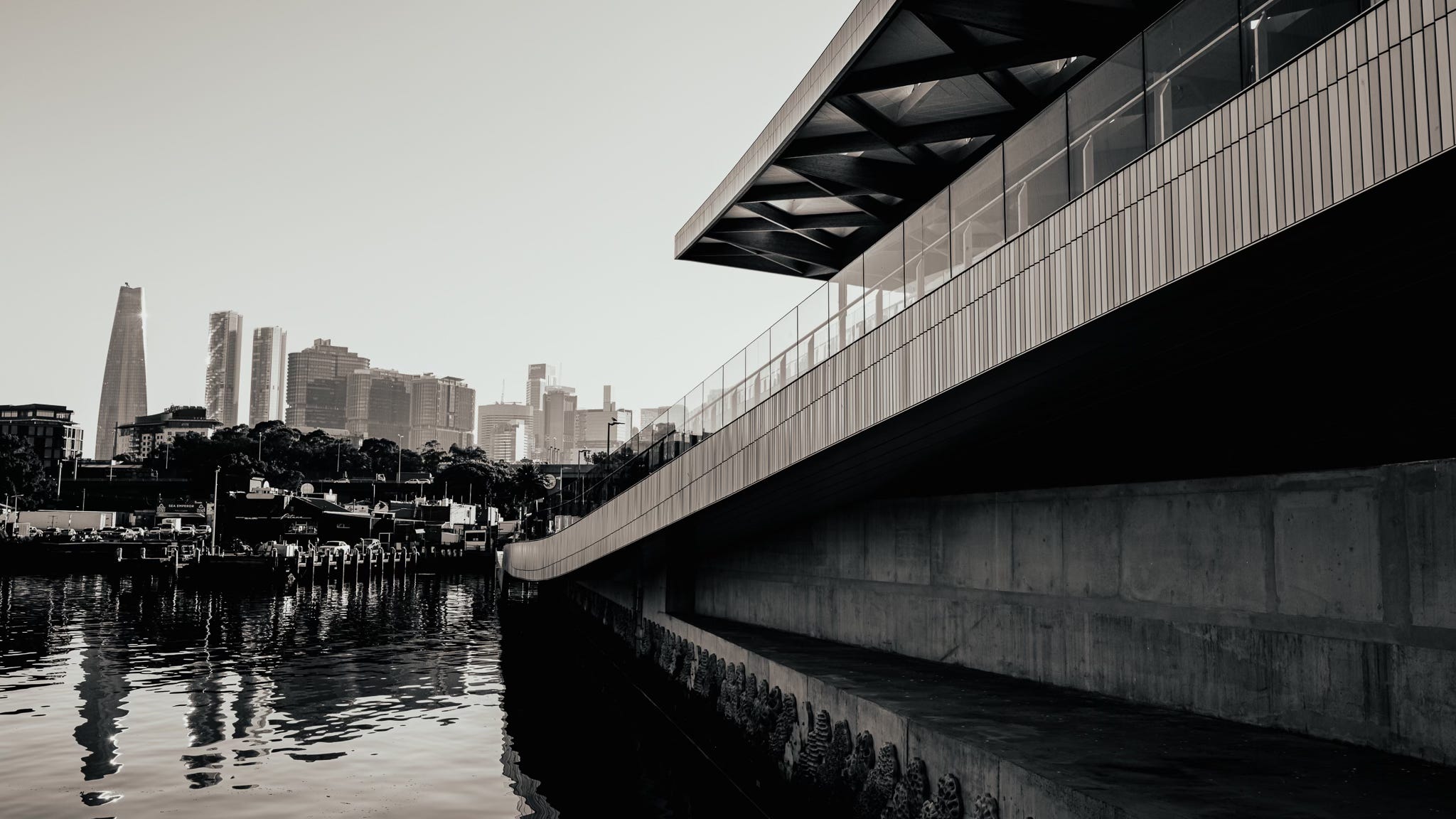
A cathedral of brine.
A factory of freshness.
A hymn sung in ice and steel.
Sydney, once again, reveals itself at dawn: not in glossy brochures, but in the places where the city feeds its own mouth.
:: Rand
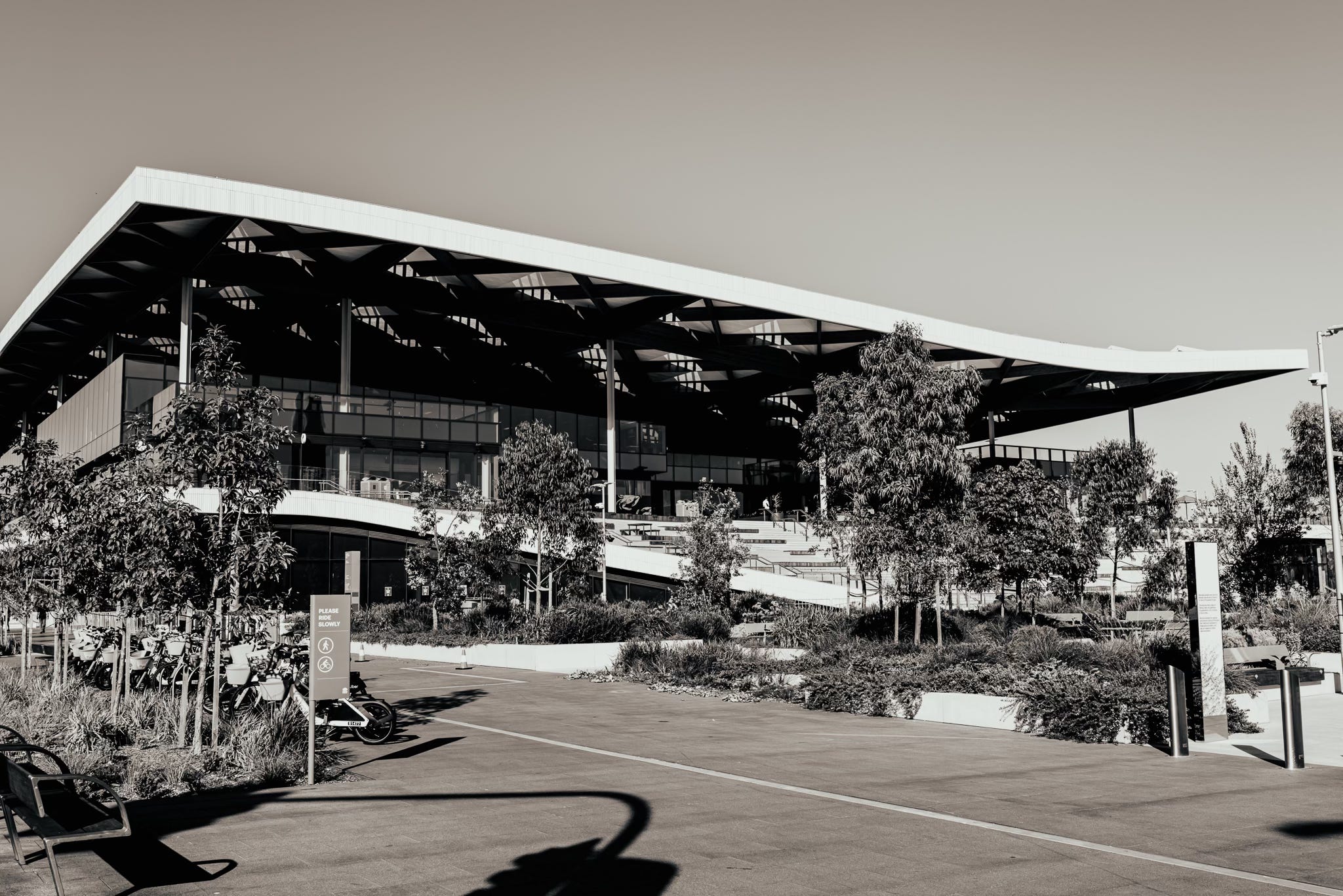
All images copyright Rand Leeb-du Toit, 2026