
On Icons
Fine art, photography, painting, philosophy

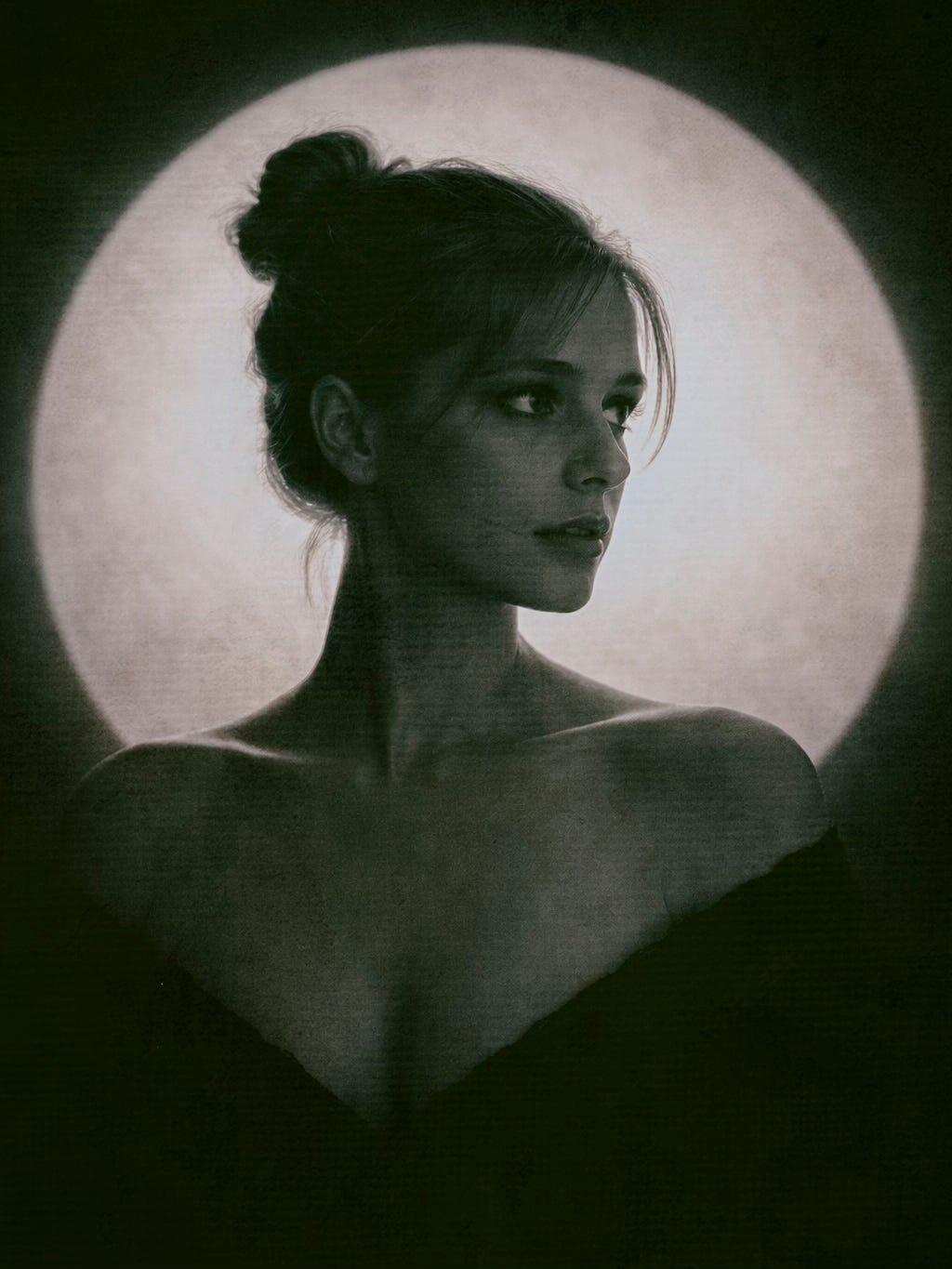
I have been thinking about the circle.
Not the circle as geometry. Not Euclid, not the perfect abstraction, not the thing your high school teacher drew on the board to demonstrate a point about infinity and promptly forgot. The circle as it has always been before it became mathematics — as sign, as eye, as sun, as the oldest mark a hand ever pressed into wet clay and meant something by. The circle that says: here. The circle that says: pay attention. The circle that says: this matters, and I cannot tell you why in words, so I am giving you this instead.
That is what an icon is. Not decoration. Not embellishment. A compression of meaning so severe that language collapses under the pressure and what is left is a shape. A mark. Something you don’t read — you feel. You feel it the way you feel a door handle in the dark. It fits the hand. It was always going to be there.
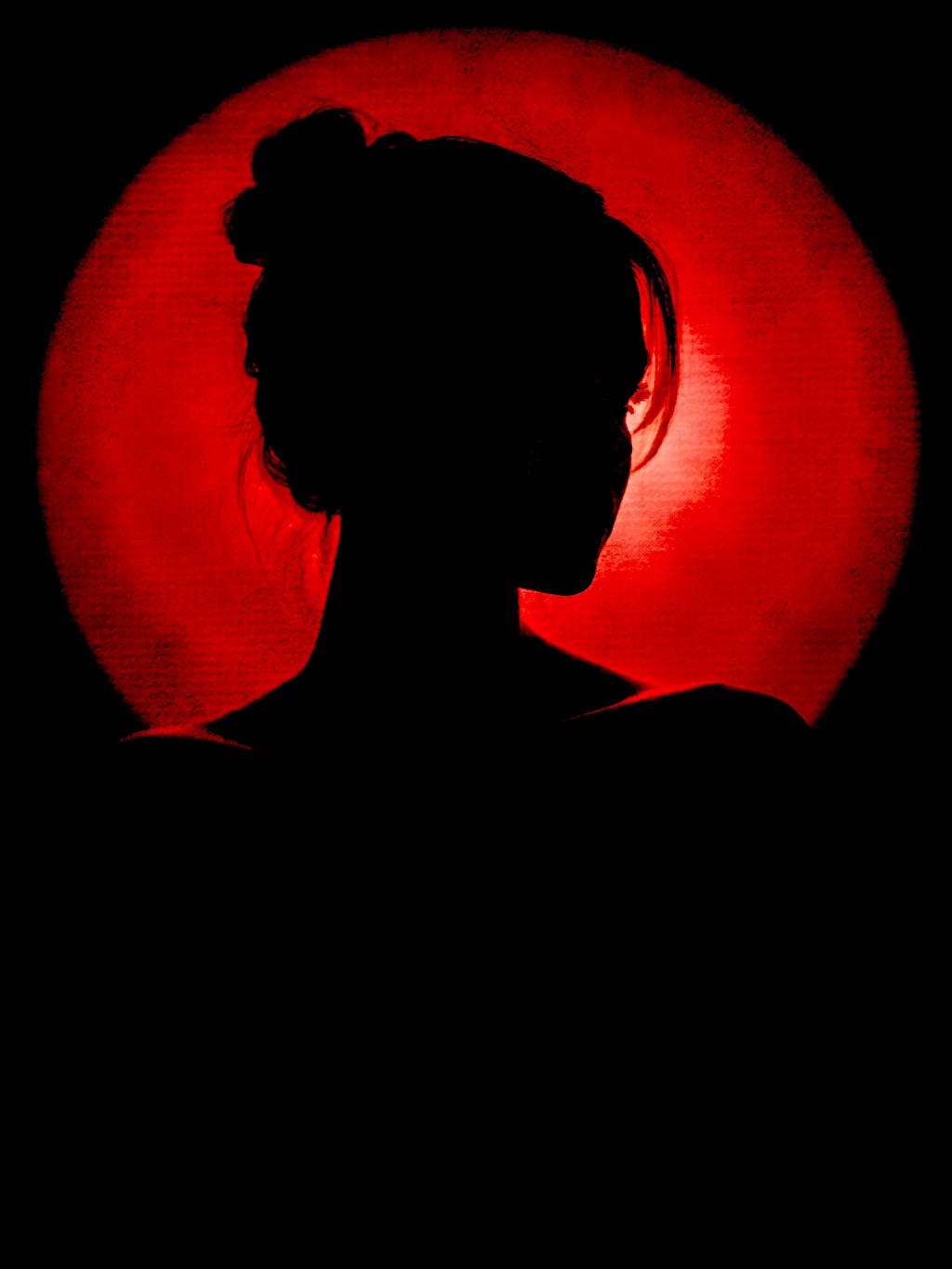
The history of iconography is the history of what we could not say out loud.
The fish scratched into Roman catacombs. The skull and crossbones nailed to a barrel. The red cross on a field of white. These are not pictures of things. They are agreements — compressed social contracts, signed in symbol rather than ink, binding precisely because they bypass argument. You do not debate an icon. You receive it. The meaning downloads whole, or not at all.
Designers understand this. The best ones, anyway — the ones who know that every mark they place in the world is a claim on attention, a request, a small act of authority. A well-made icon is not modest. It is the most arrogant thing imaginable: a single shape saying, I contain everything you need to know. And when it works — when it really works — it does.
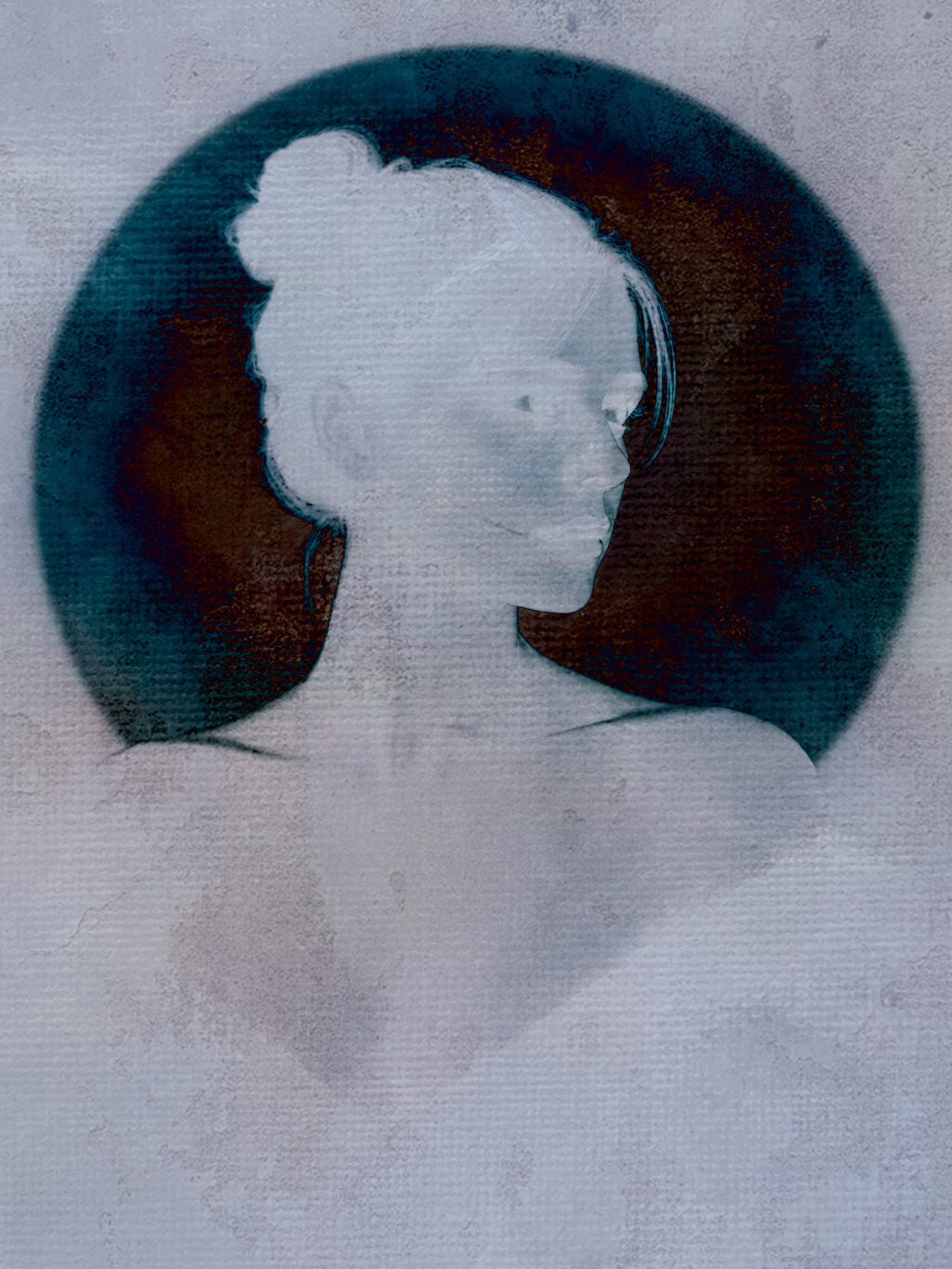
I keep returning to the orb.
The globe. The sphere. The form that has no beginning and no end and therefore, by a logic that is entirely emotional and entirely correct, signifies everything that is whole and everything that is at risk. The medieval cartographers understood this. They drew the world as a sphere and placed dragons at its edges — not because they believed in dragons, but because the sphere demanded a mythology. Wholeness requires its opposite. The complete thing implies the possibility of rupture.
There is something about the way an orb holds light. The way it refuses to give you the whole surface at once — always a highlight, always a shadow, always a part of it turning away. You can look at an orb and understand, in your body rather than your mind, that you are not seeing everything. That what is hidden is part of the meaning. That presence implies absence. That what is lit implies what is dark.
This is not metaphor. Or rather — it is exactly metaphor, which means it is exactly true.

Miller once wrote that he could not look at a painting without feeling something tear loose in him. Not appreciation. Tearing. The sensation of being pulled toward something that would not explain itself, would not negotiate, would not soften the demand it made on him. I know what he meant. I have felt it in front of marks so simple they had no right to carry what they carried — and yet there it was, the full weight of some enormous, inarticulate knowing, suspended in a shape you could cover with your thumb.
The best iconography does this. It makes a tear. It does not describe the world — it opens a hole in the description, and through that hole you glimpse something that was always there, waiting to be seen.
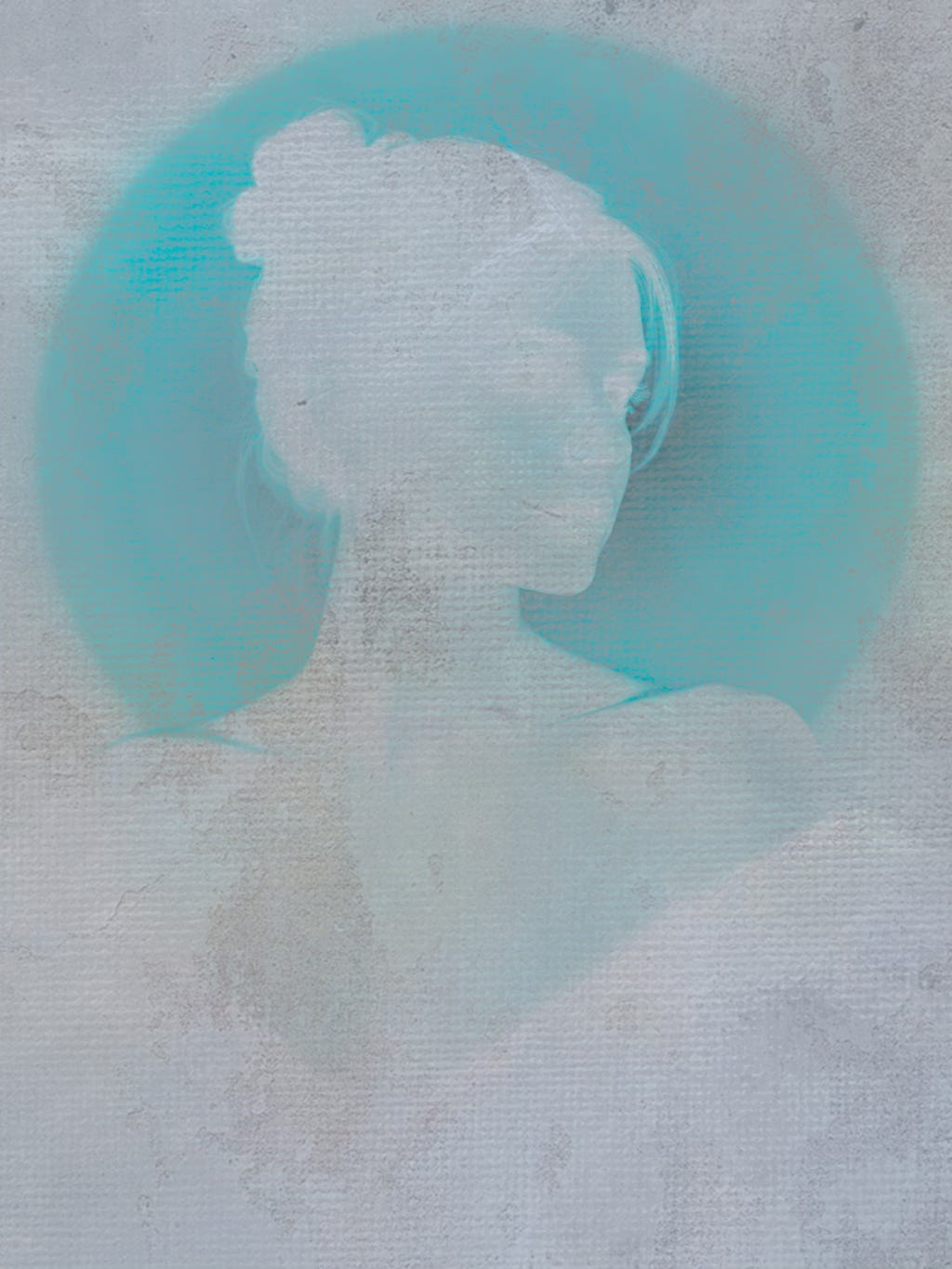
I have been working with a particular kind of icon. I will not explain it entirely here — the work will do that, when the work is ready - I did allude to it in The Code Beneath the Skin. But I will say this: a circle can be a world. An orb can be a life. And a light — held inside a sphere, or absent from one — can carry the full weight of what we are losing without ever having to say the word losing.
The icon knows. The icon has always known.
We are only now catching up.
:: Rand
What a wonderful perspective at the icon. I never thought about it in such depth, not even made an attempt to think about it. Always acknowledged the meaning and moved on. Thank you for stopping me in my tracks.