
The Code Beneath the Skin
What if we've been looking at things all wrong?

I’ve been thinking about intelligence in the wrong direction.
For a long time I chased it from above, where the world becomes pattern. From a few thousand feet up, coastlines stop being “beautiful” and start being syntax. Seagrass becomes an algorithm. Reefs become circuitry. Rivers behave like long sentences that refuse to end. The planet reads like a manuscript written by something older than us, and far less interested in applause.
Down on the ground, though, the language changes.
It becomes smaller. More intimate. Less headline-friendly.
One evening, deep in the hinterlands of Shark Bay, twilight thickening into that soft blue between day and dream, a vehicle stopped on a remote track. Something had been seen, and then gently gathered. A small creature, exquisitely designed to disappear into its own habitat, appeared instead as a presence. Not as spectacle. As proof.
I remember the feeling more than the facts: a shock of beauty, followed by a quiet rage. The kind of rage that arrives when you realise what we’re letting slip through our fingers while we argue about power, posture, and whose version of reality gets to win the week.
Since then, I’ve been obsessing over a question that feels increasingly unavoidable:
What if we’ve been surrounded by intelligence all along and simply stopped paying attention?
Not metaphorical intelligence. Not the kind we applaud in TED talks.
Practical intelligence.
Intelligence that knows how to survive when rain is rare. Intelligence that camouflages, adapts, senses, harvests, warns, yields, persists. Intelligence that solves problems without meetings, without monuments, without needing us to believe in it.
And yet, here we are, a species transfixed by the intelligence we are manufacturing.
Artificial intelligence has become the altar of our era: adored, feared, debated, elevated, demonised. We speak of it like it’s the first mind we’ve ever encountered. Like intelligence begins only when silicon glows.
Meanwhile the living world, the original library, keeps burning quietly.
I don’t say that as a slogan. I say it as a confession.
I’ve been complicit in the same drift. I’ve been seduced by the noise. The machine. The endless scroll of human drama. And then a creature on a track pulled me back to something far more honest: the intelligence that does not perform.
That moment has been turning into work.
Not work that explains itself. Not work that arrives with a neat caption and a moral. Work that behaves more like a threshold: an invitation to cross from seeing nature as “out there” into recognising it as something we are entangled with, whether we admit it or not.
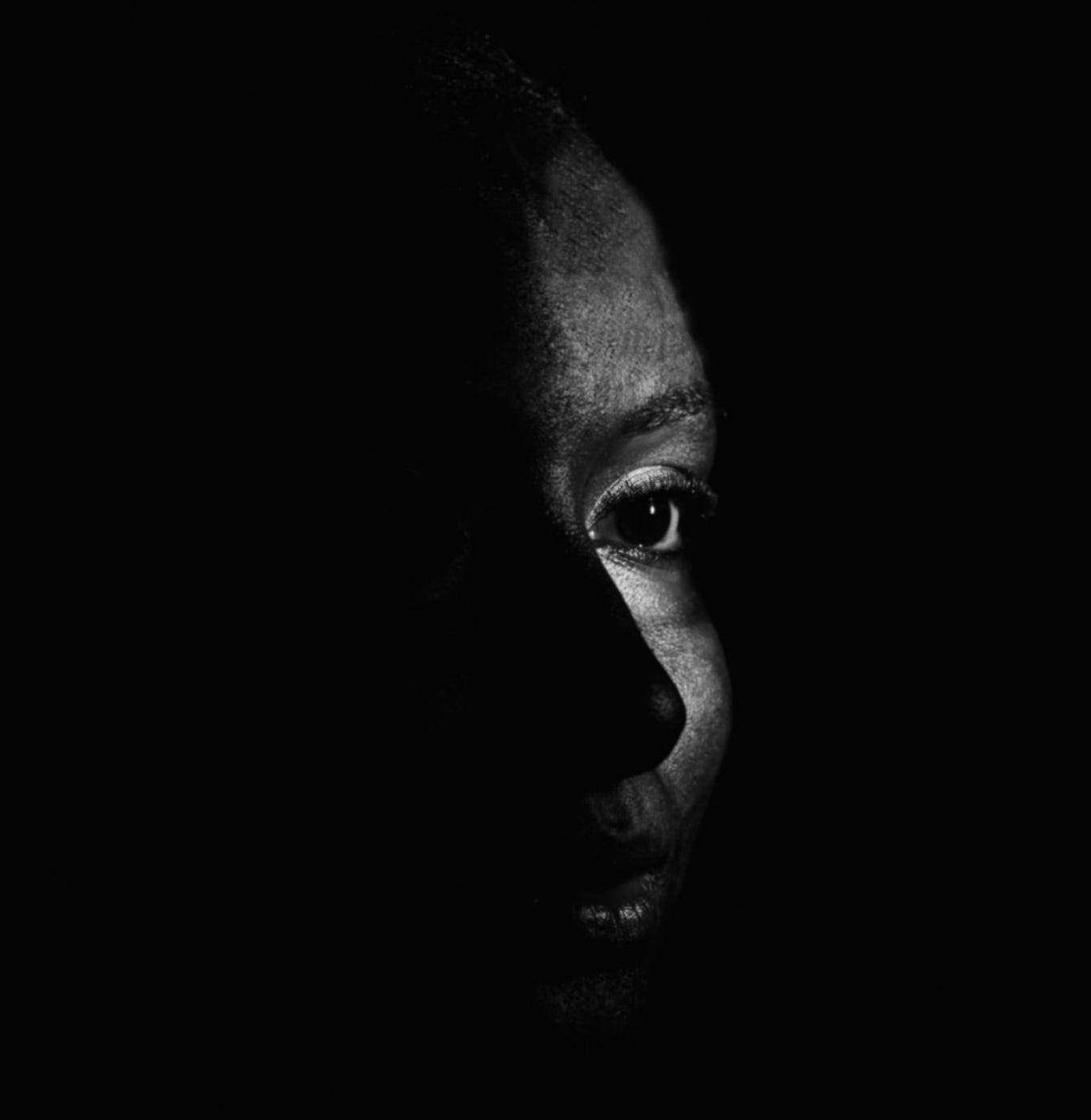
I’ve been building a new body of images that merges human presence with the coded language of the natural world.
Not as decoration. Not as novelty.
As a question.
A provocation.
A kind of bridge.
Because I keep returning to a suspicion I can’t shake: if we can become obsessed with artificial intelligence, we can also become obsessed with the intelligence that shaped us, feeds us, holds the climate together, and is now vanishing at the edges of our attention.
Perhaps the role of art right now is not to shout, but to recalibrate.
To return us to wonder.
To pull the lens off the future long enough to notice what is disappearing in the present.
I don’t know yet what this work will become publicly. An exhibition, perhaps. A series of releases. A book. Something that can travel. Something that can land in different cities and still speak.
But I do know what it asks of me:
To pay attention with the seriousness of love.
And I suspect it will ask something similar of the people who encounter it.
Soon, I’ll share a first glimpse.
For now, consider this a small flare in the night sky: I’m working on a project that treats nature not as backdrop, but as intelligence. And it is my way of pushing back against a world that keeps looking in the wrong direction.
If you’ve ever felt that pull too, you’ll understand why I’m doing this.
:: Rand
Image and text copyright, Rand Leeb-du Toit, 2026
Our body as a part of nature is the well of human intelligence. I like calling it our “truth”. It has been there way earlier than our mind which created the artificial intelligence. I trust, not even hope, that the increasing presence of artificial intelligence will urge us, sooner than later, to come home to our body, our home. Any kind of art and beauty are our way back home. I am excited to learn about your artwork on our truth, once it is born.